What are Stress and Anxiety?
Defining Stress and Anxiety
Stress and anxiety are prevalent issues that affect individuals across various walks of life. While often used interchangeably, it is essential to understand the nuances between the two. Stress is typically a response to an external trigger, such as a challenging situation, while anxiety is more about the persistent feelings of apprehension and worry that may occur in the absence of a specific stressor.
Stress can arise from many sources, including work, relationships, and significant life changes. In contrast, anxiety may manifest as a constant state of uneasiness or fear, which can be overwhelming and debilitating. Both experiences have significant physical and emotional ramifications for individuals, impacting their everyday lives.
The Physical and Emotional Impact
The effects of stress and anxiety on the body can range from mild discomfort to severe health problems. Physically, stress can lead to symptoms like headaches, fatigue, digestive issues, and sleep disturbances. Chronic stress may increase the risk of serious health conditions such as heart disease, obesity, diabetes, and depression.
Emotionally, individuals suffering from stress and anxiety may experience a heightened sense of irritability, sadness, or hopelessness. The overwhelming nature of these conditions can hinder daily functioning, productivity, and overall quality of life. Recognizing these impacts can help individuals address their symptoms effectively.
Common Triggers and Symptoms
Common triggers for stress and anxiety include deadlines, social pressures, financial worries, and unexpected changes in life circumstances. Symptoms vary widely among individuals but typically include restlessness, rapid heartbeat, shallow breathing, difficulty concentrating, and a general sense of impending doom.
Understanding personal triggers is critical in managing stress and anxiety. By recognizing what initiates these feelings, individuals can take proactive steps to mitigate their effects. Awareness can empower anyone grappling with stress and anxiety, leading to strategic coping mechanisms and healthier habits.
Identifying Your Stress and Anxiety Triggers
Personal Reflection and Awareness
Personal reflection plays a fundamental role in identifying triggers related to stress and anxiety. It enables individuals to look inward and analyze their thoughts, behaviors, and environments. Consider allocating time each week to reflect on experiences that caused stress or anxiety. Ask yourself questions about specific scenarios and your emotional responses to them.
Awareness involves listening to both mind and body. Take note of physical reactions or emotional shifts in different environments or situations. You may find patterns that provide insight into your stressors. Through consistent reflection, a clearer picture of personal triggers will emerge, paving the way for informed coping strategies.
Journaling Techniques
Journaling can be a powerful tool for managing stress and anxiety. It offers an outlet for expressing emotions, thoughts, and fears in a safe space. Begin by setting aside a few minutes each day to write about your experiences and feelings. This practice could involve detailing particular events that caused you stress, noting how those instances made you feel, and recognizing any patterns.
Consider using prompts to guide your journaling. For example, "What made me anxious today?", "How did I respond?" or "What can I learn from this experience?". Over time, reviewing past entries may provide valuable insights into your emotional triggers and guide you towards more effective coping mechanisms.
Seeking Professional Guidance
Sometimes, identifying triggers may be challenging, particularly when deep-rooted issues are present. Seeking professional guidance from a therapist or counselor can be beneficial. These professionals can utilize various therapeutic techniques, such as Cognitive Behavioral Therapy (CBT), to help you identify triggers and develop tailored strategies to manage stress and anxiety.
Working with a professional can provide accountability, perspective, and coping strategies. It is essential to remember that asking for help is a sign of strength, and professional support can lead to transformative change in managing your mental health.
Effective Coping Mechanisms for Stress and Anxiety
Mindfulness and Meditation Practices
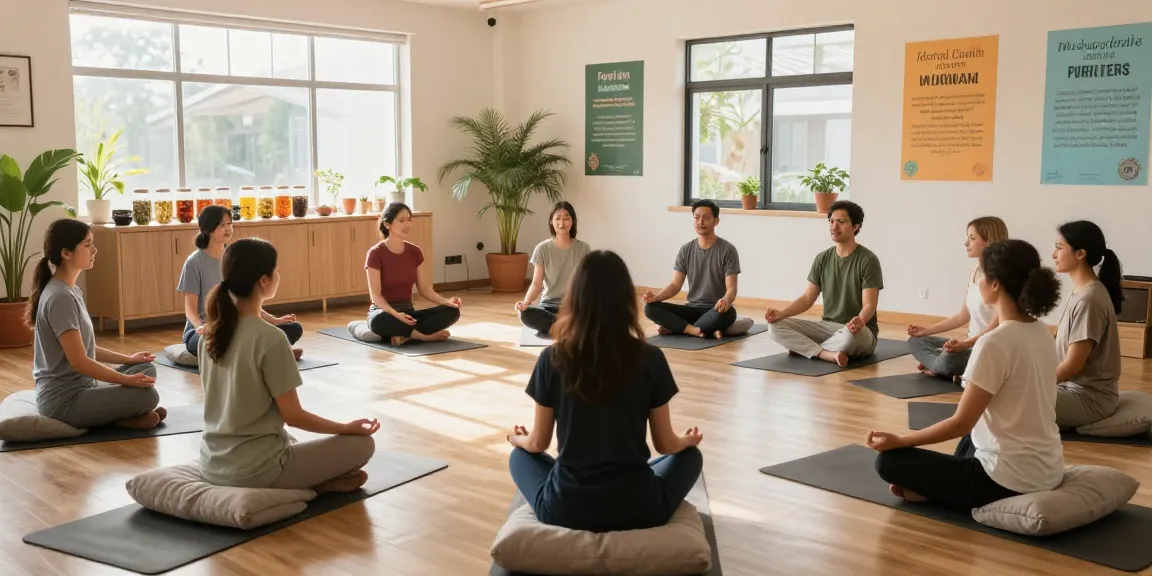
Mindfulness can serve as an excellent coping mechanism for those experiencing stress and anxiety. It involves focusing on the present moment without judgment, promoting a state of calm. Techniques such as mindful breathing, body scanning, or progressive relaxation can enhance emotional regulation and reduce symptoms of anxiety.
Integrating a daily meditation practice can significantly impact mental health. Even a few minutes of guided meditation can foster relaxation and clarity. Numerous apps and resources are available to support beginners in building a consistent meditation routine.
Physical Activity and Its Benefits
Physical activity is proven to be an effective stress reliever. Engaging in regular exercise releases endorphins, often referred to as "feel-good" hormones, which can elevate mood and reduce feelings of tension. Activities like walking, running, yoga, or dancing can serve as beneficial outlets for stress and anxiety.
Setting realistic fitness goals can also lend structure to your routine, contributing to a sense of accomplishment. Aim for a variety of activities throughout the week, ensuring that you enjoy the process rather than viewing it as a chore.
Breathing Exercises and Techniques
Breathing exercises are invaluable for managing moments of acute stress or anxiety. Techniques such as deep breathing, 4-7-8 breathing, or box breathing encourage relaxation by activating the body’s natural calming response. These exercises can be practiced anytime and anywhere, making them practical tools in daily life.
Start simple: inhale deeply through your nose for a count of four, hold for a count of seven, then exhale slowly through your mouth for a count of eight. This method fosters a calm state, allowing clearer thinking during stressful situations.
Building a Support System
Importance of Social Connections
Having a robust support system is crucial in managing stress and anxiety. Social connections provide a sense of belonging, emotional backing, and practical advice during challenging times. Building relationships with family members, friends, or colleagues can create a network that helps mitigate feelings of isolation and hopelessness.
Investing time in nurturing these connections can yield significant benefits. Whether it's regular catch-ups, phone calls, or engaging in shared activities, connection promotes mental health and resilience against stress and anxiety.
Choosing the Right Support Groups
Support groups can also play an instrumental role in managing stress and anxiety. These groups provide a safe space for individuals to share experiences and coping strategies. Whether online or in person, being part of a community that understands your struggles fosters a sense of acceptance and belonging.
When choosing a support group, consider factors such as facilitators' qualifications, group dynamics, and shared experiences. Ensure the environment feels safe and supportive to encourage open communication and growth.
Communicating Your Needs
Learning to communicate your needs effectively is key to building a strong support system. Many individuals may hesitate to express their feelings out of fear of burdening others or appearing vulnerable. However, open communication can enhance relationships and ensure you receive the help and understanding needed.
Practice being clear about what you are feeling and what kind of support would be helpful. This transparency not only aids others in understanding you better but also strengthens the bonds between you and your support network.
When to Seek Professional Help
Recognizing When You Need Help
Recognizing when to seek professional help is an essential step in managing stress and anxiety. If symptoms persist for an extended period, interfere with daily functioning, or cause significant distress, it may be time to consult a mental health professional. Persistent feelings of hopelessness, changes in mood or appetite, and social withdrawal are red flags indicating that professional assistance may be needed.
Types of Professionals Available
There is a broad range of mental health professionals who specialize in treating stress and anxiety issues. Psychologists, psychiatrists, therapists, and counselors all offer distinct approaches based on training and expertise. Before seeking help, consider your needs, preferences, and any specific goals you might have for therapy.
Some professionals may utilize talk therapy, while others might incorporate medication or alternative techniques such as art or music therapy. It’s important to research your options to find what aligns best with your personal preferences.
Understanding Treatment Options
Treatment options for stress and anxiety range from lifestyle changes and therapy to medications. Cognitive Behavioral Therapy (CBT) is one of the most widely practiced forms of therapy and has shown to be effective in treating anxiety disorders. Additionally, medications like antidepressants or anti-anxiety medications may be prescribed as part of a comprehensive treatment plan.
Regardless of the chosen method, an effective treatment plan should be tailored to individual needs and monitored regularly by a healthcare provider. Open communication with your healthcare professional ensures that the treatment remains effective and adjusted as necessary based on feedback and symptoms.
Frequently Asked Questions
1. What are some common physical symptoms of stress and anxiety?
Common symptoms include headaches, muscle tension, fatigue, rapid heartbeat, and digestive issues. If these symptoms persist, consulting a healthcare provider is vital.
2. How can mindfulness help reduce anxiety?
Mindfulness promotes present-moment awareness, reducing rumination and anxiety. It teaches individuals to respond to stress with calmness instead of reactively.
3. What role does exercise play in managing stress?
Exercise releases endorphins, which boost mood and relieve tension. Regular physical activity is linked to improved mental well-being and reduced stress levels.
4. How do I know if I need professional help?
If stress and anxiety intensify, disrupt daily life, or lead to depressive feelings, seek professional support to make informed decisions for mental health management.
5. Can breathing exercises really help with anxiety?
Yes! Deep breathing techniques activate your body's relaxation response, helping to calm racing thoughts and reduce feelings of panic during anxious moments.